
Washing Machine Not Spinning? 5 Common Causes & How to Fix It
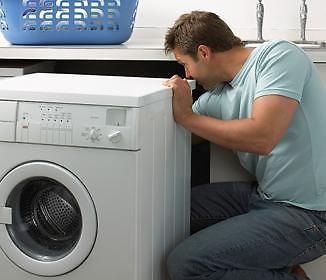
There's nothing more frustrating than a washing machine that leaves your clothes soaking wet at the end of a cycle. If your washer isn't spinning, you're not alone this is one of the most common appliance problems we see in Edmonton homes, and it usually has a straightforward fix.
The good news? You might be able to fix it yourself. The bad news? Sometimes you'll need a professional. Let's walk through the five most common causes of a non-spinning washer and how to troubleshoot each one.
Problem 1: Overloaded Washer (Most Common)
The 1 reason washers don't spin is simple: you packed it too full. Modern washers have sensors that detect when the drum is overloaded and prevent the spin cycle to protect the motor and bearings.
How to fix it: Open the door and remove 25-30% of the clothes. Leave room for the load to move freely during the cycle. The drum should never be completely full—there should always be space between the clothes and the drum lid. Run the spin cycle again and it should work.
Prevention: Don't fill your washer beyond 75% capacity, especially with heavy items like jeans and towels. Think of it like this—if you have to force the lid closed, it's too full.
Problem 2: Clogged Drain Pump or Blocked Hose
If water isn't draining from your washer, the spin cycle won't engage. A blocked drain hose or clogged drain pump prevents water from leaving the drum, so the washer's safety sensors stop the spin to protect your clothes and the motor.
Signs this is the problem: Water pooling at the bottom of the drum after the cycle ends. You might also hear a buzzing sound as the pump tries to drain.
How to fix it: Check behind your washer where the drain hose connects. Is it kinked, pinched, or bent? Straighten it out. Next, check if the hose is clogged. Disconnect it (be ready for water!) and run hot water through it to clear any blockages. If water flows freely, reattach and try again. Also check your washing machine's drain filter (usually at the bottom front). Empty it of lint, coins, and debris.
Prevention: Clean the drain filter every month and make sure the drain hose never gets pinched behind or beside your washer.
Problem 3: Broken Lid Switch
For safety, washing machines won't spin with the lid open. A faulty lid switch can trick your washer into thinking the lid is open even when it's closed, preventing the spin cycle from starting.
Signs this is the problem: The rest of the cycle runs fine, but spin never happens. You can manually close the lid and hold it, and sometimes it will spin—but this is just holding the switch in place manually.
How to fix it: Unfortunately, a broken lid switch is not a DIY fix. This requires replacing the switch part itself, which involves opening your washer's control panel. This is when you should call a professional. Lid switch replacement typically costs $150-250.
Problem 4: Worn Out Drive Belt
The drive belt is what spins your washer drum. Over time, belts wear out, fray, and eventually break. If the belt is broken or severely worn, the drum won't spin even though your washer is trying to make it happen.
Signs this is the problem: You hear a squealing, grinding, or burning smell during the spin cycle. The drum won't rotate at all, or it rotates very slowly. You might see rubber debris inside the drum.
How to fix it: This requires professional repair. Replacing a drive belt involves accessing the drum and motor compartment, which varies by washer model. Belt replacement typically costs $200-350 depending on your machine type.
Problem 5: Faulty Motor or Control Board
If none of the above issues apply, the problem might be the motor itself or the electronic control board that tells the motor when to spin. These are complex components that control multiple functions.
Signs this is the problem: The rest of the wash cycle runs normally but spin never happens, and you've ruled out all the above issues. You might hear clicking sounds as the control board tries to send signals but nothing happens.
How to fix it: This is definitely a professional appliance repair Albert. Motor replacement costs $300-500. Control board replacement is $200-400. A technician will need to diagnose which component is actually at fault.
When to Call a Professional Washing Machine Repair Service
Call a professional if: The washer still won't spin after you've checked for overloading and drain blockages. You hear strange sounds (squealing, grinding, buzzing). You see rubber or metal debris in the drum. Water is leaking during spin. You're unsure what the problem is.


Comments